
Culture shapes our world, influencing how we think, communicate, and interact with others. It is an essential part of human identity, reflecting history, traditions, and values passed through generations. Across the globe, culture varies dramatically, yet it always serves as a bridge connecting people. Exploring culture helps us better understand societies and appreciate diversity. If you are passionate about discovering unique traditions, take a deeper look at culture and its impact on our daily lives.
The Role of Culture in Society
Culture defines the way communities function. From language and religion to arts and customs, it influences every aspect of life. The way people greet each other, celebrate festivals, or even share meals is shaped by culture. It provides a sense of belonging and identity, creating strong connections among individuals.
Elements of Culture
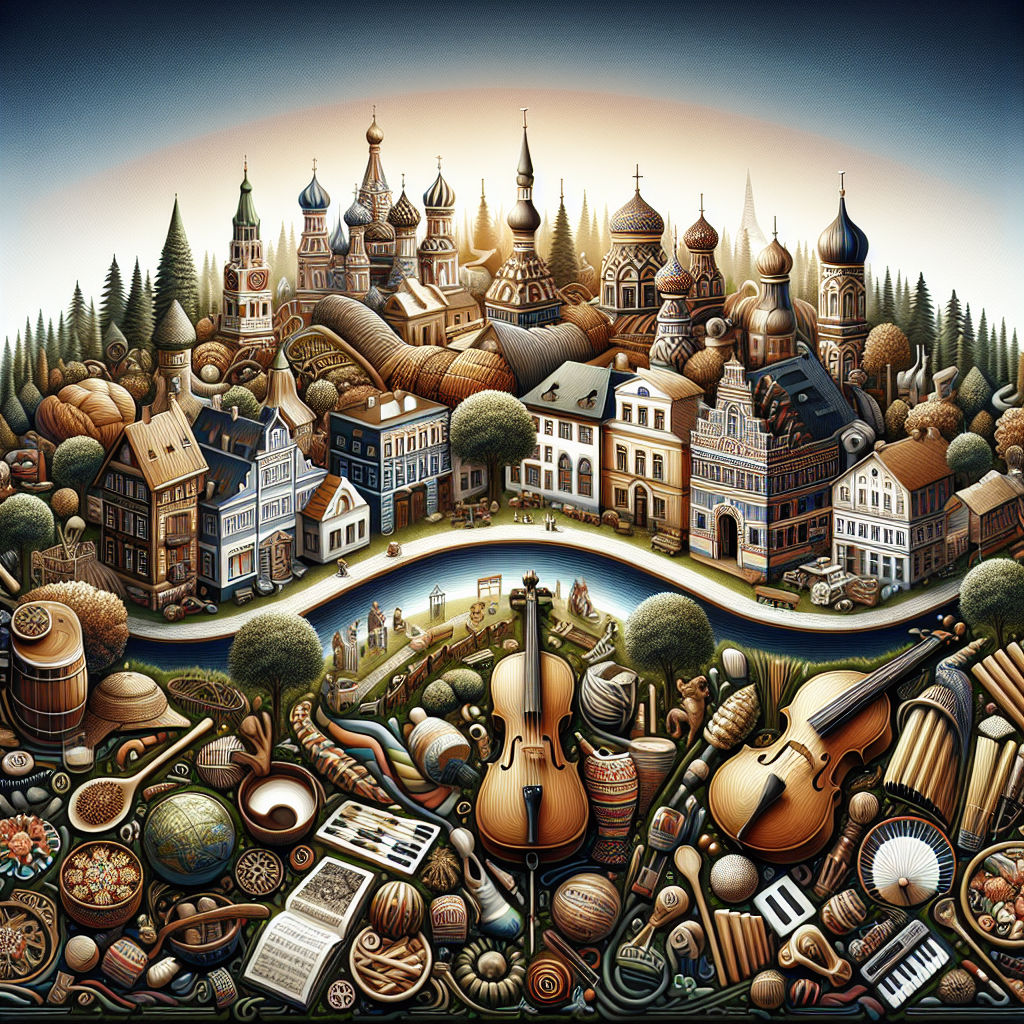
Culture consists of various elements that dictate how societies operate. These aspects contribute to its uniqueness and make every community distinct. The main components include:
- Language – a key communication tool that preserves traditions.
- History – past events that shape a nation’s identity.
- Art and music – cultural expressions that convey emotions and beliefs.
- Customs and traditions – rituals passed down through generations.
- Social norms – unwritten rules that regulate behavior.
Why Cultural Understanding Matters
In an interconnected world, cultural awareness is more significant than ever. It promotes tolerance, enhances cooperation, and reduces misunderstandings among diverse communities. Understanding different cultural perspectives can lead to meaningful conversations and better global relationships.
How Culture Influences Business and Travel
Culture plays a vital role in international business and travel. Knowing cultural etiquette helps professionals communicate effectively, while travelers who respect local traditions create positive experiences. Some key points to consider include:
- Business interactions – understanding cultural expectations enhances negotiations.
- Tourism – respecting customs leads to more authentic travel experiences.
- Language barriers – knowing common phrases can improve communication.
- Food habits – adapting to local cuisine helps in cultural immersion.
How to Experience Culture Authentically
Engaging with culture requires immersing oneself in local traditions, cuisines, and lifestyles. To truly experience culture, consider:
- Attending local festivals and events.
- Trying traditional foods and understanding dining etiquette.
- Learning about customs by talking to locals.
- Visiting historical sites and museums.
Culture is the heart of every society, influencing perspectives and shaping interactions. Whether through travel, business, or personal relationships, embracing cultural diversity enriches our lives. To discover even more fascinating insights, explore culture and its impact on the world.