
Fashion is more than just clothing – it is a powerful form of self-expression, a reflection of culture, and a dynamic industry that continuously evolves. Whether you're a fan of high-end couture or streetwear, the world of fashion offers endless possibilities for creativity and individuality.
The Evolution of Fashion Through Decades
Fashion trends change from decade to decade, impacting how people dress and express themselves. Different eras have left their mark on the fashion industry, influencing modern styles and trends.
- The 1920s introduced flapper dresses and Art Deco designs, representing a rebellious and liberated mindset.
- The 1950s embraced elegance with full skirts, cinched waists, and polished femininity.
- The 1970s celebrated bohemian aesthetics with fringe, earthy tones, and flowing fabrics.
- In the 1990s, minimalism and grunge fashion became mainstream with oversized clothing and neutral shades.
The Influence of Fashion Icons
Fashion has always been shaped by influential figures who push boundaries and redefine trends. Celebrities, designers, and social media influencers play a key role in introducing new styles and reviving past trends.
- Designers like Coco Chanel revolutionized women’s fashion by introducing timeless classics such as the little black dress.
- Icons like Audrey Hepburn and Princess Diana showcased elegance and sophistication that continue to inspire fashion enthusiasts.
- Modern influencers on social media platforms dictate must-have fashion pieces, making trends more accessible to a global audience.
How Sustainable Fashion is Changing the Industry
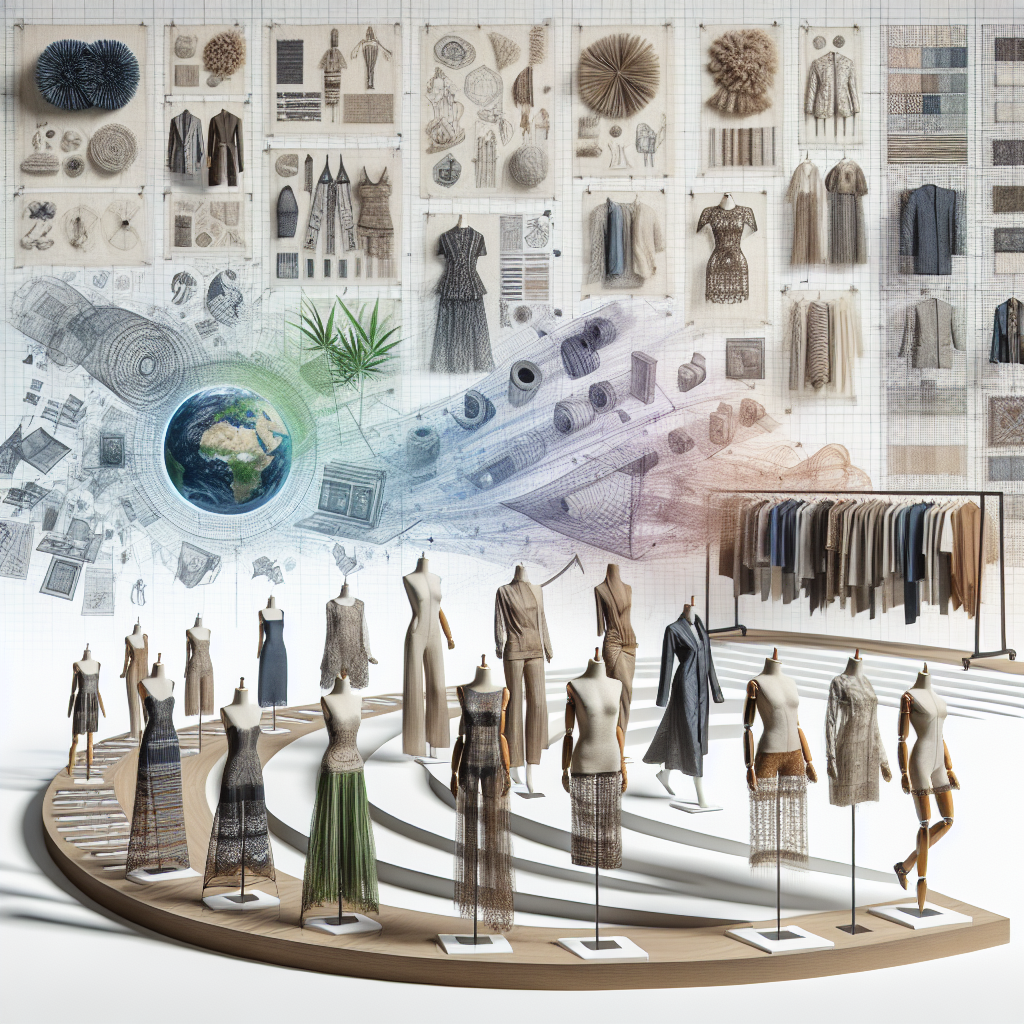
With growing awareness of environmental impact, sustainable fashion is becoming more prominent. Consumers are shifting towards ethical brands that prioritize eco-friendly materials and responsible production methods.
- Slow fashion encourages consumers to invest in quality pieces rather than fast-disposable items.
- Upcycling and thrifting contribute to reducing waste in the fashion industry.
- Brands are incorporating organic materials such as bamboo, hemp, and recycled fabrics.
The future of fashion is continuously evolving, with technology and sustainability driving major changes. From digital fashion shows to AI-driven designs, the industry is embracing innovation while maintaining creativity. Whether it's classic styles or contemporary trends, fashion allows individuals to express their personality and confidence in unique ways.